
 Suomi
Suomi
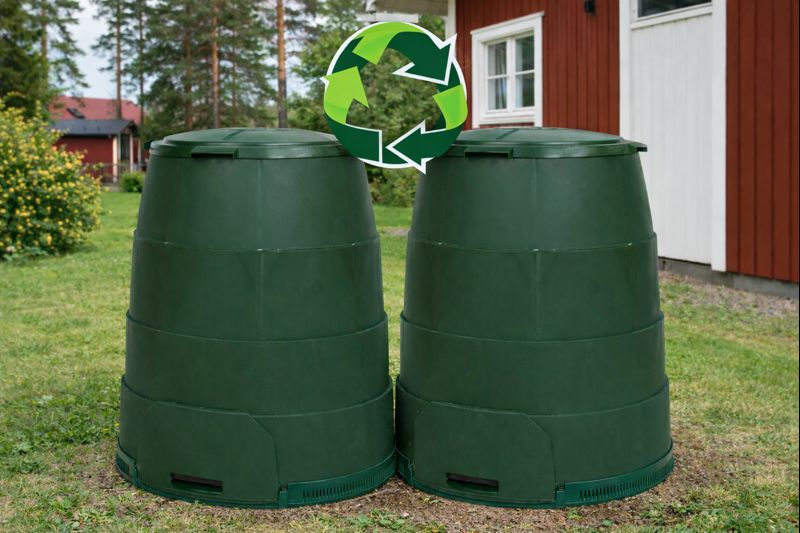
Batch Composting Is Easy and Sensible

Article updated 25.8.2026
Composting in your own yard is a sensible and effective form of circular economy on a small scale. A household’s or cottage’s organic waste — food scraps, composting toilet output, and biodegradable garden waste — cycles back through the compost into nutrient-rich soil for the benefit of your own yard.
What is batch composting?
In batch composting, one compost bin is filled until it’s full. After that, the full composter is left alone to finish composting into soil.
This creates an easy-to-manage cycle between an active bin and a resting one.
Continuous composting is a common method
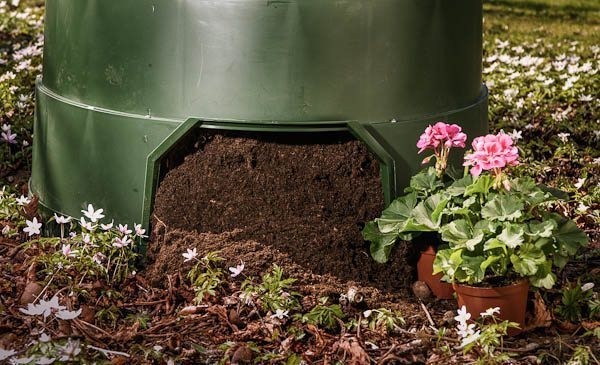
In continuous composting, waste is continually added from the top and finished soil is removed from the bottom for use. In batch composting, biowaste is composted in batches — once one bin is full, it’s taken out of use and a second composter is brought into use.
Batch composting is especially popular for composting toilet waste. Toilet waste takes about 8–14 months to fully compost into soil.
Comparison table: benefits of continuous vs. batch composting
| Continuous composting | Batch composting | |
| Definition | Compost is filled by continually adding new waste to the same bin, and finished soil is removed from the bottom as needed. | Compost is filled completely in one bin at a time, after which it is set aside to finish composting undisturbed. A new, empty bin is then brought into use. |
| Space needed | Small – all composting happens in a single bin. Suitable for a small yard. | Needs several bins and more space: one bin is in active use while the full bin rests and composts undisturbed. |
| Ease of use / ergonomics | Requires mixing the material in the bin during use, and shoveling out finished soil from the bottom. | An easy solution for the user – no need to handle unfinished material, and an ergonomic way of working. |
| Suitability for waste volume | Works well when the amount of waste is steady and you don’t want to wait for batches to accumulate. | Good when there is a lot of waste and it wouldn’t have time to fully decompose in a single bin. |
| Process management | May require more aeration of the material, and separating finished compost from unfinished. | Usually doesn’t require monitoring – the resting compost works on its own, without any action needed. |
| Best use case | Everyday home composting, kitchen biowaste. | Suitable for all biowaste, but especially good for composting toilet waste, heavy material, or large volumes of waste. |
| Continuity of process | The process is always running, since new waste keeps being added continuously. | The process moves forward in batches, resting until each batch is finished. |
| Quality of end result | The end result can be uneven, since new and old material sit together in the same mass – making it harder to separate finished soil from unfinished. | Produces more consistent, nutrient-rich soil, since the material doesn’t mix with new additions. |
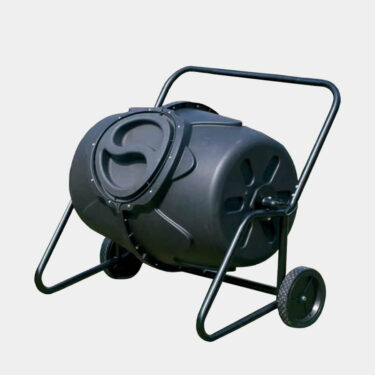
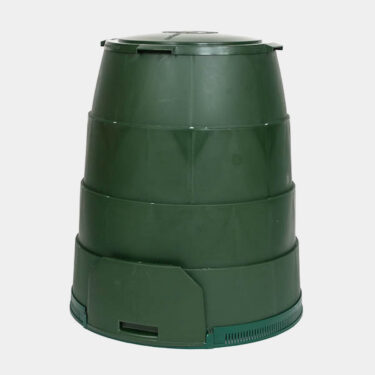
Composters for different uses
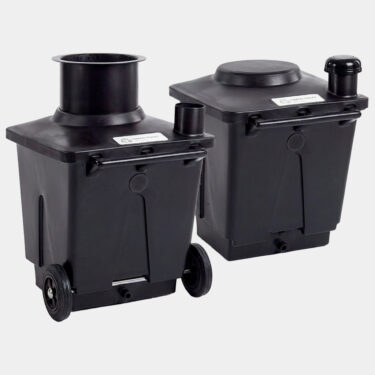
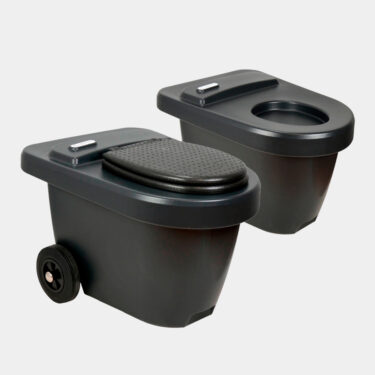
Batch Composting in Practice – Servicing a Composting Toilet
Batch composting has become a very popular technique in composting toilets and outhouses. The main reason for this is that few people are eager to shovel or otherwise handle half-finished toilet waste. A setup with two or more bins is clean and hassle-free, since a full toilet composter is simply taken out of use and left to finish decomposing on its own.
Another reason batch composting has become common in composting toilets is the good – practically unlimited – capacity it offers. If the outhouse ends up getting more use for one reason or another, adding more interchangeable bins to the system lets the privy serve a larger number of users without any other changes.
Servicing a composting toilet takes minutes
Green Toilet units are serviced based on batch composting and interchangeable bins.
Here, a Green Toilet 120 Family is being serviced from behind the toilet. First, the full bin is taken out of use. No tools are needed for this.
Batch composting is safe
In Northern Europe, composting toilet waste takes 8–14 months, depending on natural conditions. With batch composting, it’s easy to make sure each batch has composted for long enough.
If the compost looks and smells like soil, it’s ready to use!
What happens to composted toilet waste?
Emptying a full bin is done by wheeling it to an emptying spot and tipping the contents into, for example, a leaf compost bin. Toilet waste must never be released into nature untreated.
Toilet waste compost itself is nutrient-rich and acidic, so it’s a good idea to mix in about one part sand, peat, clay, or similar material before using it in the garden.”
Fully composted toilet compost mixed with sand is also suitable as a fertilizing material for edible plants.
In conclusion
Composting becomes an addictive process once you’ve got it running smoothly in your own yard. Microbes do most of the work — given time.
Do you still have questions about batch composting? No worries, we’re happy to help 💚
